
TestCon Europe 2026

October 20-23

Vilnius & Online
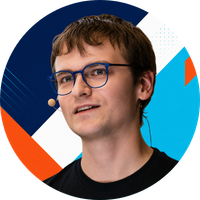
Francois Martin
About
François Martin is a senior full-stack software engineer at Karakun AG in Switzerland, passionate about building high-quality applications. He is an Oracle ACE Associate and an active member of the Swiss Testing Board and ISTQB's Advanced and Expert Working Group, co-authoring the ISTQB Test Analyst v4.0 and the upcoming Security Test Analyst syllabus. He is also part of the content committee for the BaselOne conference.
François co-authored the open-source JavaFX frameworks WorkbenchFX and PreferencesFX, and organizes Basel's Hackergartento to help developers get involved with open-source projects. He also regularly speaks at international conferences, sharing insights to inspire developers and improve software quality
Francois Martin | From Zero to Maintainer: Contributing to Open Source Projects
This full-day workshop demystifies open-source contribution by guiding participants through every step, from discovering projects and filing their first issues to drafting and submitting pull requests in a safe sandbox. They'll practice the OSS workflow hands-on, including forking, branching, implementing changes, and crafting clear pull requests (PRs). Along the way, they'll also step into the shoes of a maintainer - simulating triage, release tagging, and community-management tasks - so they leave not only confident in contributing code but ready to steward and grow healthy open-source projects.
In this hands-on session, participants will:
- Explore and evaluate open-source projects, learning how to read CONTRIBUTING guides and identify beginner-friendly issues.
- Practice the core workflow: forking a repository, creating feature branches, making code or documentation changes, and submitting a pull request.
- Configure basic CI checks (linting, tests) to ensure quality before merging.
- Simulate maintainer duties, including triaging issues, applying semantic-version tags, and drafting release notes.
- Discuss community best practices, including writing clear commit messages, utilizing issue labels effectively, and promoting positive contributor interactions.
By the end, everyone will have executed each stage of the contribution lifecycle in a controlled "sandbox" repo and gained a clear path for moving on to real-world projects.